Choosing the right paint colors is one of the most impactful weekend projects you can tackle. It can transform a room’s mood, enhance natural light, and reflect your personal style without a major renovation. This guide will help you navigate the vast world of hues to find your perfect palette. Let’s turn your color inspiration into a beautiful reality.
Understanding Color Psychology for Your Space
Colors have a profound effect on our emotions and energy levels. Warm tones like terracotta and ochre can make a large, north-facing room feel cozy and inviting. Cool shades like sage green or pale blue are perfect for creating a serene retreat in a bedroom or home office. Understanding this basic principle is the first step in selecting your ideal paint colors.
You should also consider the function of the room you are updating. A vibrant, energizing yellow might be perfect for a creative studio or kitchen but overwhelming for a relaxation space. For a comprehensive look at how hues affect us, the American Psychological Association discusses color psychology in various contexts. Always test your top contenders on the wall at different times of day.
Creating a Cohesive Whole-House Palette
A common weekend planning mistake is choosing room colors in isolation. The goal is to create a harmonious flow from one space to the next. Start by selecting a central neutral that will act as your connective thread, such as a warm white or a gentle greige. Then, build your accent paint colors around this foundational shade, varying their intensity from room to room.
Consider the sightlines from your main living areas into hallways and adjacent rooms. You want transitions to feel intentional, not jarring. An easy method is to use different shades from the same color family throughout your home. For more tips on designing a fluid layout, check out our guide on home and lifestyle planning.
This approach ensures your entire home feels curated and calm.
Practical Tips for Testing Paint Colors
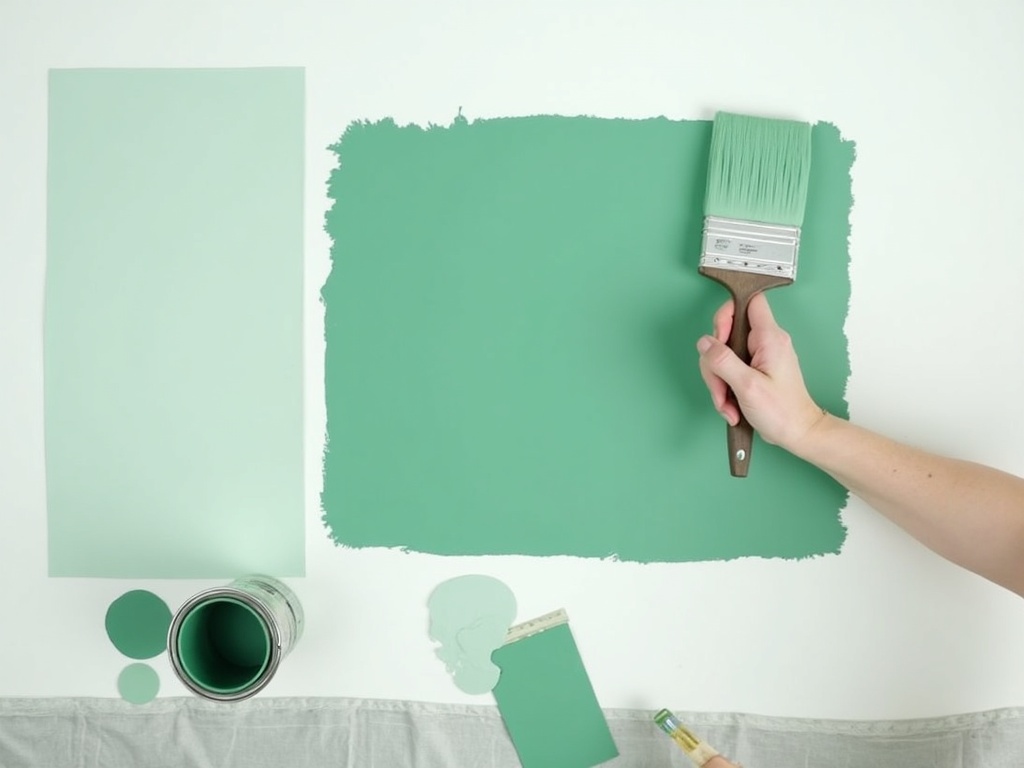
Never rely solely on a small paint chip or a digital screen. Lighting is the ultimate variable that changes how a color appears. Purchase sample pots of your final two or three choices and paint large swatches (at least 2×2 feet) on multiple walls. Observe these swatches over 48 hours, noting how they look in morning, noon, and evening light.
Place your swatches next to fixed elements like flooring, cabinetry, and upholstery. The undertones in your paint colors must complement these existing features. A gray that looks perfect alone might reveal an unwanted purple or green cast next to your oak floors. This testing phase is a crucial, patient step that prevents costly and disappointing repaints.
Where to Find Reliable Color Inspiration
Feeling stuck on where to begin your search? Look beyond the paint fan deck for genuine inspiration. Nature is the most timeless source for harmonious paint colors, from coastal blues to forest greens. High-quality interior design magazines and websites often showcase palettes used in real homes, giving you a sense of scale and application.
Don’t overlook art and textiles you already love. A favorite scarf or painting can be deconstructed into a stunning room scheme. Local leisure activities can also spark ideas; the muted tones of a weekend hike or the vibrant hues at a farmers’ market are all valid starting points. Collect these inspirations in a digital or physical mood board to visualize your theme.
Wrapping Up Your Color Journey
Selecting new paint colors is a rewarding project that blends creativity with practical planning. By understanding psychology, planning for cohesion, testing meticulously, and sourcing inspiration thoughtfully, you set yourself up for success. Remember, the best palette is one that makes you feel happy and at peace in your own home.
Your action for this weekend is simple: choose one room and narrow your options down to three sample colors. Paint those swatches and live with them. This small, concrete step moves you from dreaming to doing, turning your vision into a tangible change you can enjoy every day.
Explore a guide on our sister blog
Related reading: Explore more on this topic