Looking for a beautiful, handmade project to elevate your weekend wardrobe? A filet crochet top is the perfect blend of timeless craft and modern style. This delicate, lace-like technique creates stunning, breathable garments ideal for warm-weather layering. Mastering this project can bring immense satisfaction and a unique addition to your closet.
Why Choose a Filet Crochet Top?
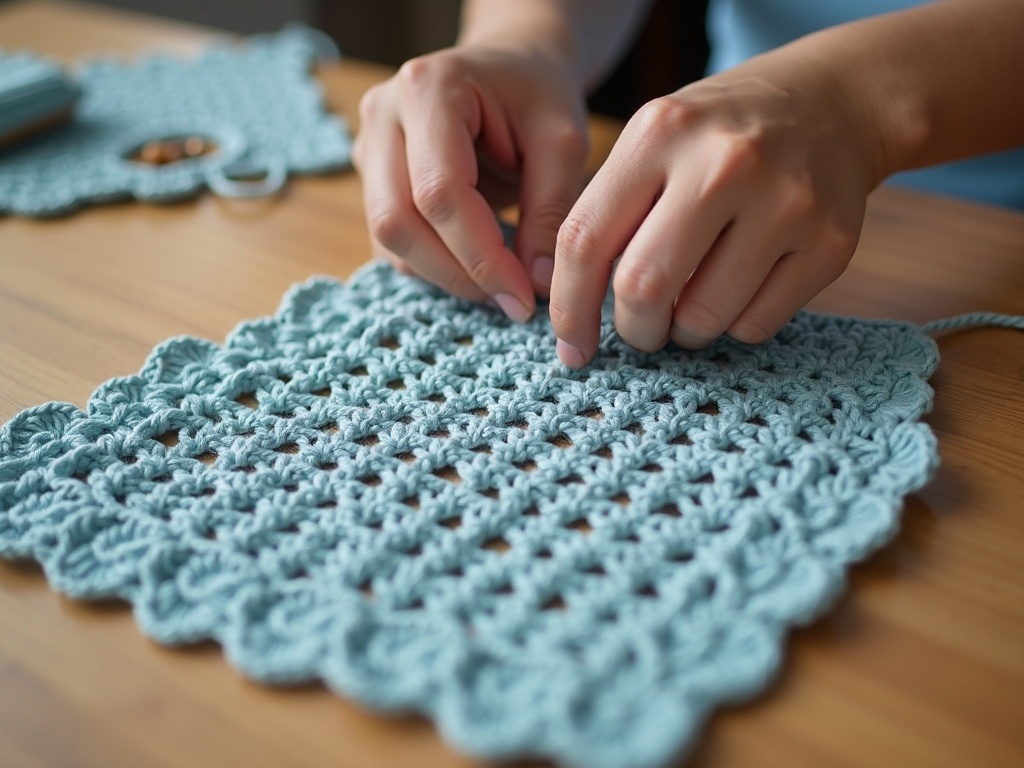
The appeal of a filet crochet top lies in its elegant simplicity and versatility. The technique uses a grid of open and closed mesh to form intricate patterns and pictures. This results in a lightweight, airy fabric that is surprisingly strong and structured. You can create everything from geometric designs to floral motifs, making each piece a personal work of art.
This style of top pairs wonderfully with everything from high-waisted jeans to flowing summer skirts. Its breathable nature makes it a go-to for garden parties, beach cover-ups, or simply enjoying a relaxed afternoon. A well-made filet crochet top becomes a cherished staple that transcends fast fashion trends. For a deeper dive into the history and techniques of filet crochet, you can explore resources like the Textile Research Centre.
Essential Materials for Your First Project
Starting your first filet crochet top requires just a few key supplies. You will need a suitable crochet hook, typically in a smaller size to create tight, defined mesh. Choose a fine cotton or linen yarn for its durability and beautiful drape. A clear, written pattern or chart is crucial for following the intricate filet grid accurately.
Don’t forget a set of stitch markers and a tapestry needle for weaving in ends. Having a dedicated project bag helps keep your materials organized and portable. This makes it easy to work on your filet crochet top during quiet weekend moments at home or in the park. Proper preparation sets the stage for an enjoyable and successful crafting experience from start to finish.
Mastering the Filet Crochet Technique
The foundational stitch of filet crochet is the double crochet and chain space combination. A ‘block’ is typically made with two double crochets, while a ‘space’ is made with two chains. Reading a chart is often easier than written instructions, as each square on the grid corresponds to a block or space. Practice a small swatch first to get comfortable with the rhythm and tension.
Consistent tension is the secret to a neat, professional-looking finished garment. Take your time and count your stitches at the end of each row to avoid errors. The repetitive nature of the grid can be quite meditative once you find your flow. This mindful practice is a wonderful way to unwind and practice a new skill during your weekend downtime.
Styling Your Handmade Masterpiece
Once completed, styling your new filet crochet top is part of the fun. Layer it over a simple camisole or a bold, contrasting bralette for different looks. The openwork design allows the layer beneath to peek through, adding depth and interest to your outfit. Neutral colors offer maximum versatility, while a pop of color makes a vibrant statement.
Consider the neckline and sleeve length of your design when planning your outfits. A sleeveless filet crochet top is perfect for summer, while a long-sleeved version offers elegant coverage for cooler evenings. Pair it with tailored shorts for a chic brunch look or with wide-leg trousers for a more sophisticated ensemble. Your handmade creation deserves to be shown off and enjoyed in your everyday life and special weekend plans.
For more inspiration on integrating handmade items into a balanced lifestyle, check out our guide on creating a mindful morning routine.
Final Thoughts
Embarking on a filet crochet top project is a rewarding way to invest your weekend time. It combines creative expression with the practical joy of making a wearable garment. Start with a simple pattern, gather your quality materials, and dedicate a few peaceful hours to the craft. You’ll not only end up with a beautiful, unique top but also the profound satisfaction of having made it yourself.
Explore a guide on our sister blog
Related reading: Explore more on this topic