For a weekend crafter seeking a blend of structure and delicate artistry, few projects are as rewarding as filet crochet patterns. This classic technique creates beautiful, graphic lace perfect for adding a handmade touch to your home. The method is based on a simple grid of open and filled squares, making intricate-looking designs surprisingly accessible. Mastering a few basic filet crochet patterns can transform your leisure time into a productive and calming ritual.
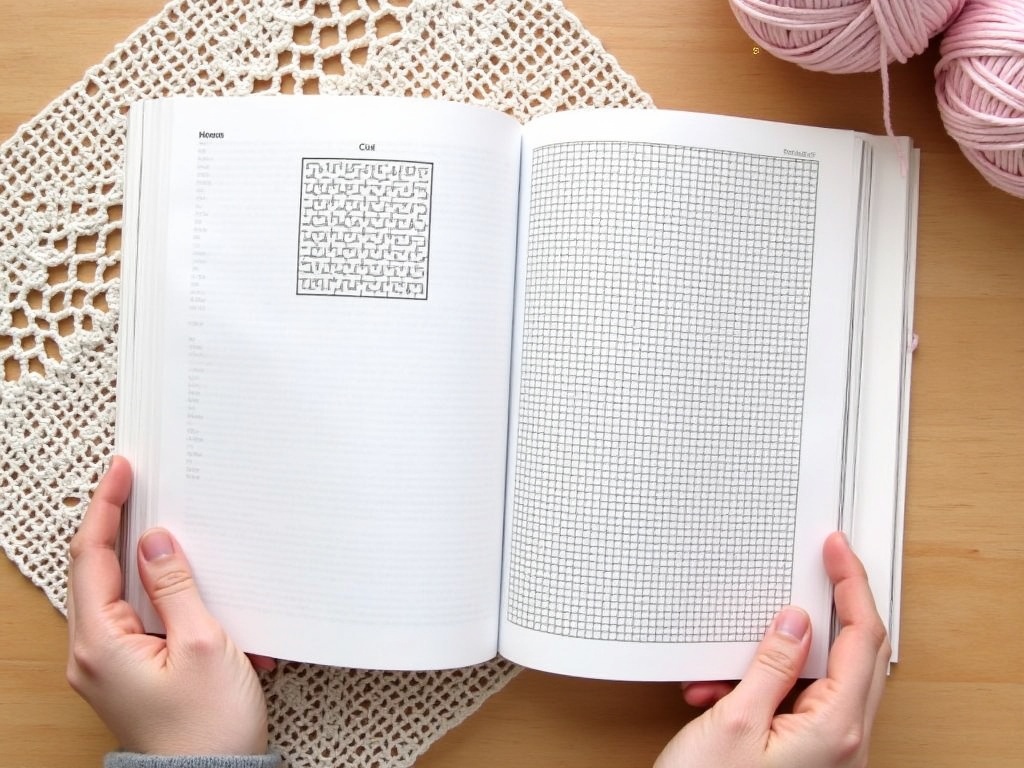
Filet crochet has a rich history, often associated with elegant Victorian household linens. The technique traditionally uses a fine cotton thread to produce heirloom-quality tablecloths, curtains, and bedspreads. Today, modern interpretations use everything from chunky yarn for bold wall hangings to soft merino for delicate shawls. The core principle remains the same: a canvas of double crochets and chains forms pictures and patterns with light and shadow.
Essential Supplies for Your First Project
You need only a few tools to begin exploring filet crochet patterns. A light-colored, smooth yarn or crochet thread is ideal for seeing your stitches clearly. Choose a hook size recommended for your yarn weight to create a firm, defined mesh. A printed chart or graph is the most common guide for these patterns, as you follow it square by square.
Keeping a row counter or making simple tally marks can help you stay on track with larger designs.
How to Read a Filet Crochet Chart
The magic of filet crochet lies in its visual blueprint. Charts use a grid where each square represents a block of stitches. An empty square typically means a mesh space (chain spaces), while a filled square indicates a solid block (double crochets). You work from the bottom right corner, moving up row by row, often turning your work.
Learning to read these charts unlocks a vast library of filet crochet patterns, from simple monograms to elaborate nature scenes. It’s a skill that turns complex-looking art into a follow-the-dots exercise.
Integrating Crochet into a Balanced Weekend
Crafting like this fits beautifully into a lifestyle focused on mindful leisure and home enrichment. Dedicate a quiet Saturday morning to mastering the foundational mesh. The rhythmic, repetitive motion is a wonderful form of active meditation, pulling your focus away from digital screens. As your skill grows, you can plan longer projects for cozy Sunday afternoons, creating tangible heirlooms.
This practice aligns perfectly with intentional weekend routines that blend creativity with restorative quiet time.
You can find excellent foundational guides and a history of the craft from authoritative sources like The Textile Research Centre. Their archives provide context that deepens appreciation for this needlework tradition. Understanding the origins of the filet technique can inspire your modern adaptations and project choices.
Finding the Perfect Filet Crochet Patterns
Start with small, simple charts to build confidence before attempting a large curtain panel or table runner. Many classic filet crochet patterns feature botanical motifs, geometric borders, or graceful animals. Digital marketplaces and crafting blogs are treasure troves for both free and premium patterns. Consider personalizing a pattern by combining elements from different charts to create something uniquely yours.
For more inspiration on incorporating handmade crafts into your home, explore our guide on creating a cozy reading nook.
Wrapping Up Your First Lace Project
Begin your filet crochet journey this very weekend. Gather your materials, select a beginner-friendly chart for a coaster or small bookmark, and carve out a peaceful hour to learn the mesh. The satisfaction of watching a pictorial design emerge from a simple sequence of stitches is immense. This craft offers a perfect balance of focused technique and creative expression, making it an ideal pursuit for mindful homebodies.
Let these elegant filet crochet patterns add a layer of handmade beauty to your lifestyle.
Explore a guide on our sister blog
Related reading: Explore more on this topic