If your weekend routine craves a calm, creative anchor, consider picking up a filet crochet project. This classic technique uses open and filled mesh squares to form delicate, lace-like designs that feel both meditative and rewarding. Whether you are new to crochet or a seasoned stitcher, a filet crochet project offers a structured yet flexible activity for lazy Sunday afternoons.
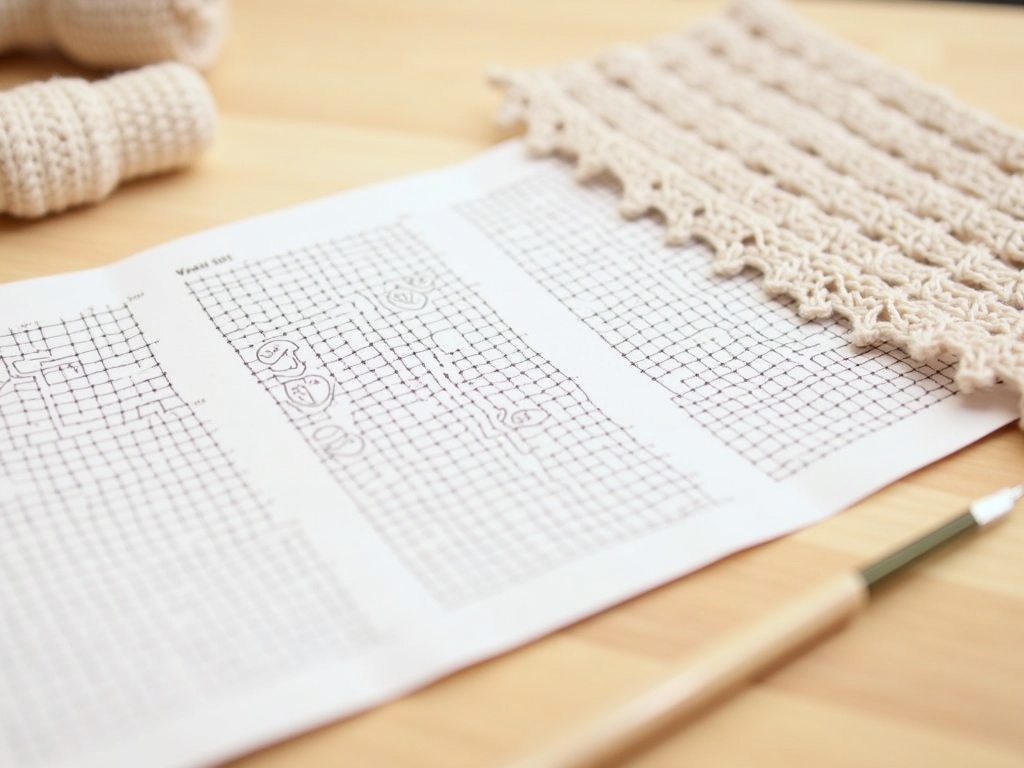
Filet crochet relies on a simple grid system, where each square represents either an open space or a filled block. By following a chart, you can create intricate images, from geometric motifs to floral scenes. The beauty of this technique lies in its adaptability—you can adjust the size, yarn weight, and hook to match your desired outcome.
Why Filet Crochet Fits Your Weekend
Weekends are for slowing down, and filet crochet encourages a rhythmic, repetitive motion that soothes the mind. Unlike complex stitch patterns, a filet crochet project uses only chain stitches and double crochets, making it accessible for beginners. You can easily pick it up for 20 minutes or an entire afternoon, fitting seamlessly into your leisure time.
Many crafters find that working on a filet crochet project helps them disconnect from screens and daily stress. The visual progress of the mesh design provides a satisfying sense of accomplishment. Plus, the finished piece—whether a curtain, table runner, or wall hanging—adds a handmade touch to your home.
Choosing Your First Filet Crochet Pattern
Start with a simple chart that uses only open and filled squares, avoiding complex shapes. Look for a filet crochet pattern that includes a clear grid and written instructions, such as a small doily or a bookmark. Many free resources are available online, including Ravelry which offers thousands of patterns from designers worldwide.
Consider the yarn weight: a lightweight cotton or linen works best for filet crochet, as it holds shape and shows the mesh clearly. A size 3 or 5 crochet hook is typical for most filet crochet projects. Test your tension with a small swatch to ensure your squares are uniform.
Tips for Reading a Filet Crochet Pattern
Understanding the chart is key: each empty square is usually worked as (chain 2, skip 2 stitches, double crochet in next stitch), while a filled square is (3 double crochets). A filet crochet pattern often includes a key that explains these symbols. Count your stitches carefully at the end of each row to avoid errors.
If you make a mistake, don’t worry—filet crochet is forgiving. You can easily frog (rip out) a few rows and rework them. Practice with a small filet crochet project before tackling a larger piece like a tablecloth.
Incorporating Filet Crochet into Your Home Decor
Filet crochet pieces make elegant additions to any room. A curtain with a floral filet crochet design filters light beautifully, while a wall hanging adds texture. You can also create personalized gifts, such as a baby blanket with a name or initial worked into the mesh.
For a weekend project, try a simple filet crochet pattern for a coaster set or a small runner. These quick finishes boost confidence and inspire larger endeavors. Remember to block your finished piece to open up the mesh and even out stitches.
Final Thoughts
Embracing a filet crochet project this weekend can transform your downtime into a productive, calming ritual. Start with a small project, enjoy the process, and soon you will have a handmade treasure. For more weekend craft ideas, check out our guide on creative weekend hobbies.
Grab your hook, choose a filet crochet pattern, and let the gentle rhythm of stitches guide your weekend. You will be amazed at what you can create with just a few basic techniques.
Explore a guide on our sister blog
Related reading: Explore more on this topic