In the quiet rhythm of a weekend afternoon, there’s a special satisfaction in creating something beautiful with your own hands. Filet crochet is a timeless technique that transforms simple stitches into delicate, graphic lace. This method, which uses a grid of open and closed spaces to form pictures and patterns, is a perfect project for those seeking a mindful and productive hobby. It requires minimal supplies but yields stunning, heirloom-quality results.
The History and Allure of Lace Crochet
The origins of filet crochet are deeply intertwined with the history of lace-making in Europe. It evolved from older needle lace techniques, becoming particularly popular in the 19th century for creating household linens and decorative trims. The beauty of this craft lies in its elegant simplicity. By mastering just two basic stitches—the chain and the double crochet—you can render intricate designs.
From botanical motifs to geometric patterns, the visual impact is always greater than the sum of its simple parts.
Your Essential Filet Crochet Toolkit
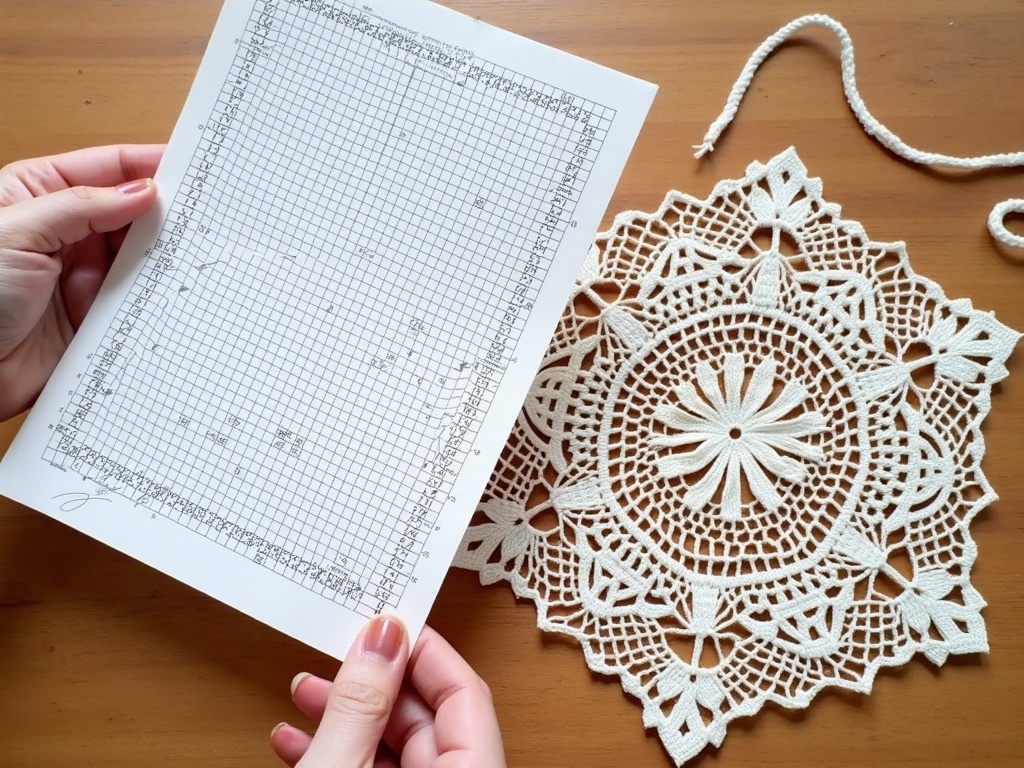
Getting started with this craft is wonderfully straightforward. You only need a crochet hook, some smooth cotton or linen yarn, and a clear pattern chart. A medium-weight yarn and a corresponding hook, like a 4.0mm or 5.0mm, are ideal for beginners. The pattern is typically read from a chart where each square represents a block of stitches.
Open squares create the lace, while filled squares form the solid areas of the design. This grid-based system makes following a pattern intuitive, almost like painting by numbers with yarn.
A Perfect Weekend Project for Mindful Making
Why is filet crochet such an excellent fit for a weekend lifestyle? It’s a project you can pick up and put down with ease, fitting perfectly into pockets of free time. The repetitive, counting nature of the work is inherently calming and meditative. It pulls your focus away from screens and into the tactile world of yarn and hook.
Completing a small piece, like a coaster or a bookmark, in a single weekend session provides a wonderful sense of accomplishment. This craft turns relaxation into a tangible, beautiful object.
You can explore a vast library of free and traditional patterns to expand your skills. For a deep dive into the history and cultural significance of lace techniques, resources like the Textile Research Centre offer fascinating context. The structured nature of filet crochet makes it easier to learn than many other lace forms. As you grow more confident, you can even experiment with designing your own simple charts.
This creative control adds another layer of personal satisfaction to the process.
Integrating Filet Crochet into Your Home
The items you create with filet crochet naturally elevate your living space. Imagine a delicate curtain panel filtering the morning light or a set of elegant table runners for a special dinner. These handmade pieces tell a story and add a layer of cozy, personal charm to your home decor. They make for exceptionally thoughtful gifts that are cherished for years.
Incorporating this craft into your routine is a beautiful way to practice slow living and intentional creation.
If you’re looking for another calming handcraft to pair with your crochet, consider the orderly practice of bullet journaling for a calm mind. Both hobbies encourage focus and present-moment awareness. The rhythmic process of working a filet crochet pattern can become a cherished part of your weekly wind-down ritual. It’s a productive escape that leaves you with more than just a relaxed mind—it leaves you with a piece of art.
Wrapping Up Your First Project
To begin your filet crochet journey this weekend, choose a simple, small pattern with a clear chart. Practice creating a consistent tension as you work your foundation chain and first few rows. Don’t be discouraged if your initial attempts seem uneven; muscle memory develops quickly with this craft. Set aside a couple of hours, make a cup of tea, and let the simple logic of the grid guide your hands.
You’ll be amazed at how quickly the elegant pattern emerges from your hook, stitch by mindful stitch.
Explore a guide on our sister blog
Related reading: Explore more on this topic