There is something deeply satisfying about transforming a simple thread into an intricate work of art, and lace crochet offers the perfect blend of relaxation and creativity for a lazy weekend afternoon. Whether you are a seasoned hooker or a curious beginner, mastering fancy lace stitches can turn your downtime into a productive, meditative escape. This guide will walk you through the essentials of working with this delicate craft, from choosing the right materials to exploring elegant stitch patterns that impress.
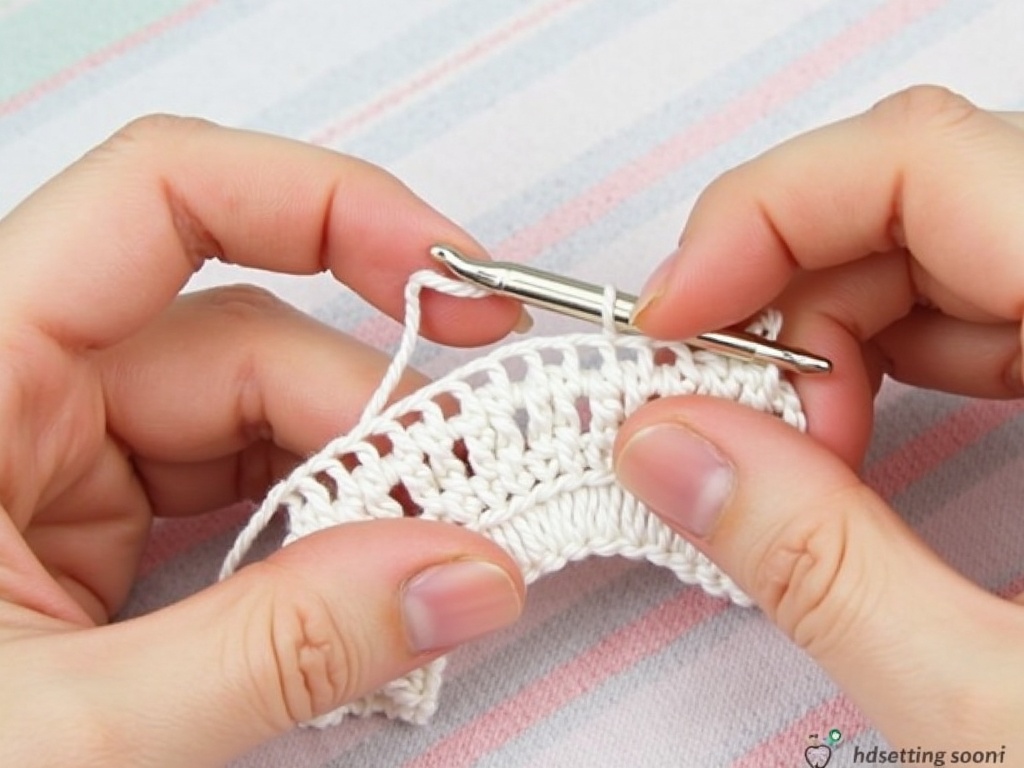
Why Crochet Lace Belongs in Your Weekend Routine
Weekends are for unwinding, but they are also for small, meaningful accomplishments. Lace crochet projects fit this niche beautifully because they require focus without being overwhelming. The repetitive motion of forming loops and chains calms the mind, while the delicate results—like doilies, shawls, or edgings—add a touch of handmade elegance to your home. By dedicating just an hour or two, you can create something that feels both luxurious and personal.
Essential Tools for Fancy Crochet Lace
Before diving into stitches, gather the right tools. For lace crochet, you will need a fine thread—such as size 10 or 20 cotton—and a steel hook between 1.0 mm and 1.5 mm. A good pair of sharp scissors and a blocking mat are also helpful for finishing. These tools ensure your stitches remain crisp and your lace maintains its shape. Investing in quality materials makes the process smoother and the final piece more polished.
Mastering the Pineapple Stitch for Crochet Lace
One of the most beloved fancy stitches is the pineapple stitch, which creates a repeating pattern of open fans and clusters. This stitch works beautifully for table runners or shawls, adding a vintage charm that never goes out of style. To practice, chain a multiple of 14 plus 2, then follow a pattern that alternates double crochet clusters with chain spaces. The result is a light, airy fabric that showcases the beauty of lace crochet.
Adding Texture with the Bullion Stitch
For a more dimensional look, try the bullion stitch, which involves wrapping yarn around the hook multiple times before pulling through. This stitch creates raised, spiral-like elements that stand out against a mesh background. It is perfect for flower motifs or decorative borders. While it takes a bit of practice to master tension, the effect is stunning and elevates any crochet lace project.
Combining Stitches for Unique Crochet Lace Patterns
Once you are comfortable with individual stitches, experiment with combinations. For example, pair the pineapple stitch with a simple chain mesh to create a balanced design that is both intricate and airy. You can also alternate bullion clusters with shell stitches for a textured, romantic look. The key is to let the crochet lace guide your creativity—try swatching different ideas on a small scale before committing to a large project.
Caring for Your Finished Crochet Lace Pieces
After completing your lace, proper care ensures it lasts for years. Hand wash your piece in cool water with a mild detergent, then gently press out excess moisture without wringing. Block the lace by pinning it to a foam mat in the desired shape and allowing it to dry completely. This step is crucial for crochet lace because it opens up the stitches and reveals the full pattern. Store finished items flat in a breathable bag to prevent snags.
Final Thoughts
Embracing crochet lace as part of your weekend routine is a rewarding way to slow down and create something beautiful. Start with a small project like a bookmark or coaster to build confidence, then move on to larger pieces like a shawl or tablecloth. For more inspiration, check out this guide to lace crochet patterns on our site. You can also explore the history of lace-making on Wikipedia to deepen your appreciation. Grab your hook and thread this weekend—your hands and mind will thank you.
Explore a guide on our sister blog
Related reading: Explore more on this topic