Looking for a meaningful way to decompress this weekend? Consider exploring art therapy activities to unlock creativity and process emotions. These simple, guided exercises offer a powerful tool for self-care and reflection. They require no artistic skill, just a willingness to engage with the process.
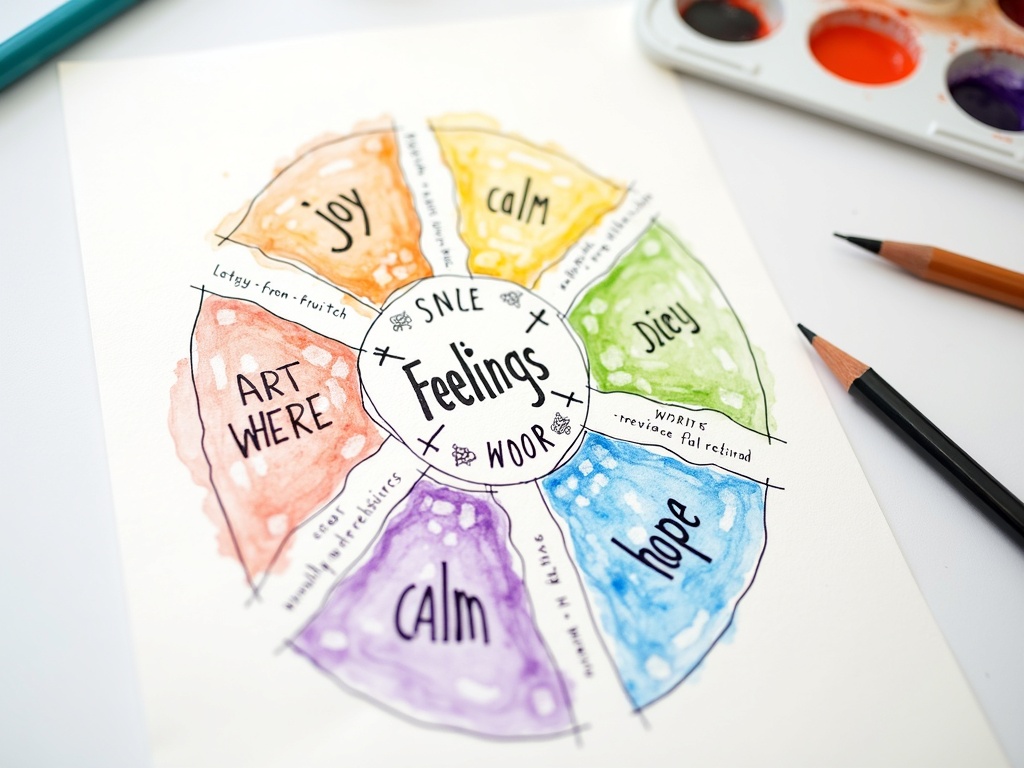
You don’t need a studio full of supplies to begin. A basic set of colored pencils, markers, or even a digital drawing app is sufficient. The goal is not to create a masterpiece but to use the act of creation as a form of release. This makes these practices perfect for a quiet Saturday morning or a reflective Sunday evening.
The Core Benefits of Creative Expression
Engaging in creative acts can significantly lower stress and anxiety. It provides a non-verbal outlet for feelings that are hard to articulate with words. Studies have shown that making art can reduce cortisol levels, the body’s primary stress hormone. This makes it a valuable component of a balanced lifestyle.
Regular practice can also enhance self-awareness and mindfulness. As you focus on colors, shapes, and textures, your mind enters a state of flow. This meditative quality helps quiet mental chatter and grounds you in the present moment. It’s a wonderful break from digital screens and weekend chores.
Simple Art Therapy Activities to Try
This section outlines accessible art therapy activities you can start today. Remember, the process is more important than the final product. Approach each exercise with curiosity and without self-judgment. Let go of any expectations for a perfect outcome.
First, try a ‘Scribble Drawing.’ Close your eyes and make a random scribble on a page. Then, open your eyes and look for shapes or images within the lines. Use colors to flesh out what you see. This exercise bypasses the critical mind and taps directly into your subconscious.
Another powerful option is creating a ‘Feelings Wheel.’ Draw a circle and divide it into sections, like a pie. Assign a different emotion to each section and choose a color to represent it. Fill each segment with its corresponding color, patterns, or symbols. This visual map can provide surprising clarity about your current emotional state.
Integrating Art into Your Weekend Routine
Making time for art therapy activities can become a cherished weekend ritual. Schedule a one-hour block where you can be undisturbed with your materials. Pair it with a cup of tea or calming music to enhance the relaxing atmosphere. This dedicated time signals to your brain that it’s time to unwind and create.
You can also involve family or friends in a low-pressure creative session. Collaborative drawing or painting fosters connection without the need for conversation. It transforms your living space into a temporary studio for shared expression. For more ideas on crafting a restorative home environment, explore our guide on creating a calming home sanctuary.
Keep a dedicated journal or folder for your creations. There’s no need to show them to anyone if you don’t want to. Reviewing your work over time can reveal personal patterns and growth. This private archive becomes a tangible record of your inner journey.
Finding Guidance and Community
If you wish to deepen your practice, many resources are available. Local community centers often host introductory workshops on therapeutic art. Online platforms offer virtual classes that you can join from the comfort of your home. These can provide helpful structure and new techniques.
For authoritative information on the clinical foundations of this practice, you can refer to the American Art Therapy Association’s official website. This external resource outlines the professional standards and evidence-based benefits of art therapy. Understanding the theory can enrich your personal exploration of these activities.
Wrapping Up
This weekend, give yourself the gift of creative exploration. Set aside your to-do list and pick up a pencil or some paint. The simple act of making marks on a page can be profoundly centering and revealing. You might discover a new favorite method for managing weekly stress.
Start with just one of the suggested art therapy activities and see how it feels. Remember, there are no mistakes in this process, only discoveries. Allow this practice to become a tool for balance and self-improvement in your lifestyle. Your journey into therapeutic art begins with a single, intentional stroke.
Explore a guide on our sister blog
Related reading: Explore more on this topic