For a weekend crafter seeking a beautiful blend of structure and artistry, mastering filet crochet charts opens up a world of delicate, graphic possibilities. This elegant technique uses simple stitches to create stunning lace-like pictures and patterns, all guided by a visual map. Understanding these charts is the key to transforming a quiet afternoon into a productive and deeply satisfying creative session. It’s a perfect project for those who love detailed, mindful work with a stunning visual payoff.
What Exactly Are Filet Crochet Charts?
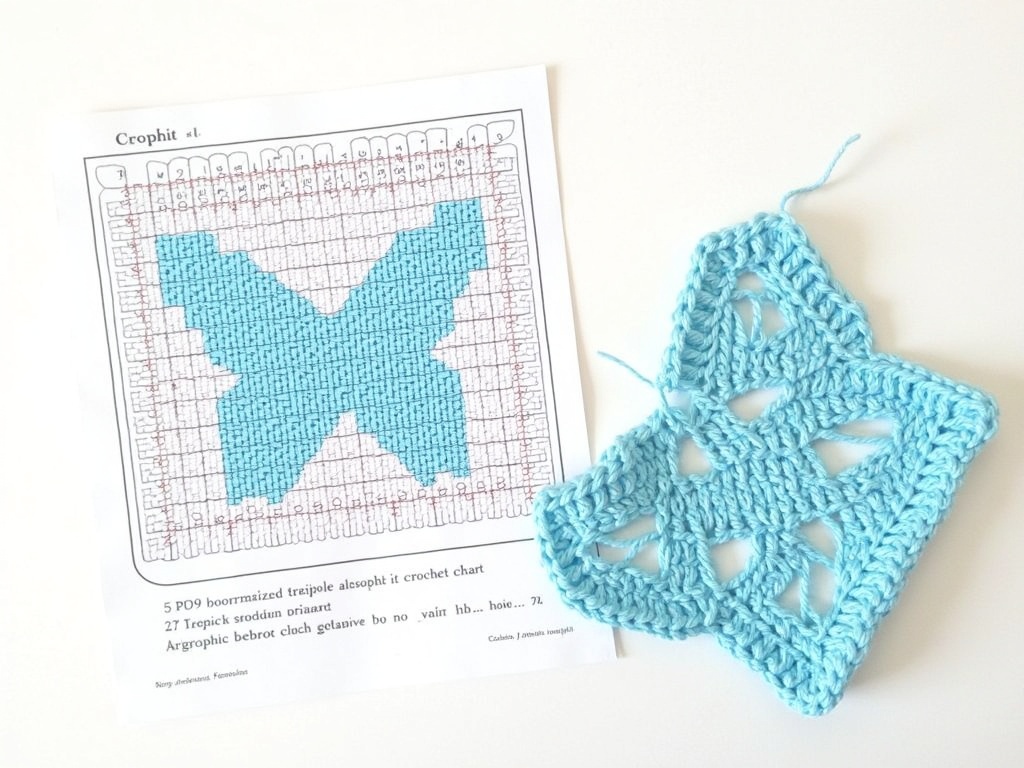
At its core, filet crochet is a method of creating designs within a grid of open and filled spaces. Filet crochet charts are the visual blueprints for these designs, typically presented as black-and-white grids. Each square on the chart corresponds to a small group of stitches, telling you precisely where to place solid blocks and where to create lace holes. Reading these charts is less about complex stitch dictionaries and more about following a clear, visual pattern.
This makes them surprisingly accessible even for crocheters who usually shy away from intricate written instructions.
The system is beautifully straightforward: a filled-in square usually means a solid block of double crochets, while an empty square represents a mesh made of chain stitches and doubles. By following the chart row by row, you literally draw the picture with your yarn. Many classic designs, from simple monograms to elaborate scenes, rely entirely on these visual guides. For a deep dive into the history and variations of this craft, the Crochet Guild of America provides excellent resources on their website (https://www.crochet.org/).
Gathering Your Supplies for a Successful Project
You don’t need a mountain of specialized tools to begin working with filet crochet charts. Start with a light-colored, smooth yarn in a weight appropriate for your chosen pattern, often a sport or worsted weight. A hook size that creates a firm, non-gappy fabric is crucial, so check your pattern’s gauge recommendation. The most important supply, of course, is a clear and well-designed chart for your first project.
Choose a simple motif, like a heart or a small flower, to build confidence without overwhelm.
Beyond yarn and hook, keep a ruler or tape measure handy to check your gauge frequently, as consistent stitch size is vital for the design to appear correctly. Stitch markers are invaluable for marking the beginning of rows and repeating sections on larger charts. Finally, ensure you have good lighting and a quiet space to focus, as tracking your place on the grid requires a bit of concentration. Setting up a dedicated weekend crafting nook can make this process even more enjoyable.
How to Read and Follow Your First Chart
Begin by examining your chosen filet crochet charts to understand the overall design. The chart will have numbered rows, usually starting at the bottom and working upwards. Each row is read in the direction you will crochet; for right-handed crafters, odd-numbered rows are typically read from right to left, and even rows from left to right. Start with a foundation chain that matches the chart’s width, which is often calculated as a multiple of a specific number plus a few extra chains.
Take your time with this first step, as an accurate foundation sets the stage for the entire piece.
As you work, use a piece of paper or a highlighter to mark off the row you’ve completed on a printed chart. This simple trick prevents costly mistakes and keeps you oriented. Count your stitches at the end of every few rows to ensure you haven’t accidentally added or missed a square on the grid. Remember, the beauty of filet crochet lies in its precision, so patience in these early stages pays off with a flawless final product.
For more tips on mastering foundational techniques, explore our guide on essential crochet stitches for beginners.
Why Filet Crochet is Perfect for Weekend Mindfulness
Engaging with filet crochet charts offers more than just a beautiful finished object; it provides a genuine mental break. The rhythmic, repetitive nature of following the grid can be incredibly meditative, helping to quiet a busy mind after a long week. It demands just enough focus to keep you in the present moment, a hallmark of mindful practice. This makes it an ideal activity for a slow Saturday morning or a peaceful Sunday evening, replacing screen time with tactile creativity.
Furthermore, the tangible progress you see as the picture emerges from your hook is immensely rewarding. Each completed row brings a sense of accomplishment, perfectly suited for the goal-oriented weekend. Unlike more freeform crafts, the clear structure of the chart provides guidance, reducing decision fatigue and allowing you to simply flow with the process. You’ll finish your session feeling creatively fulfilled and mentally refreshed, with a lovely handmade item to show for your time.
Wrapping Up Your First Filet Project
To complete your journey with filet crochet charts, take care in the finishing steps. Weave in all ends securely, as the open mesh can make loose ends more noticeable. Gently block your finished piece by pinning it to shape and lightly misting it with water; this will even out your stitches and make the design truly pop. Admire your work—you’ve successfully translated a two-dimensional chart into a beautiful three-dimensional textile.
Now that you understand the basics, consider what you’d like to make next. A set of coasters with seasonal motifs makes for a quick and satisfying project. Alternatively, plan a larger piece like a table runner or a curtain panel to add a handmade touch to your home. The world of filet crochet charts is vast and waiting for your interpretation.
Pick a new chart that inspires you, gather your supplies, and carve out some time next weekend to continue your crafting adventure.
Explore a guide on our sister blog
Related reading: Explore more on this topic