If you’re seeking a mindful weekend craft that yields stunning, lace-like results, look no further than filet crochet charts. These visual blueprints transform simple stitches into intricate designs, perfect for creating heirloom-quality home decor. Mastering the art of reading these grids opens up a world of elegant projects, from delicate curtains to personalized table runners. It’s a satisfying skill that blends logic with creativity, ideal for a focused afternoon at home.
Understanding the Grid-Based Language
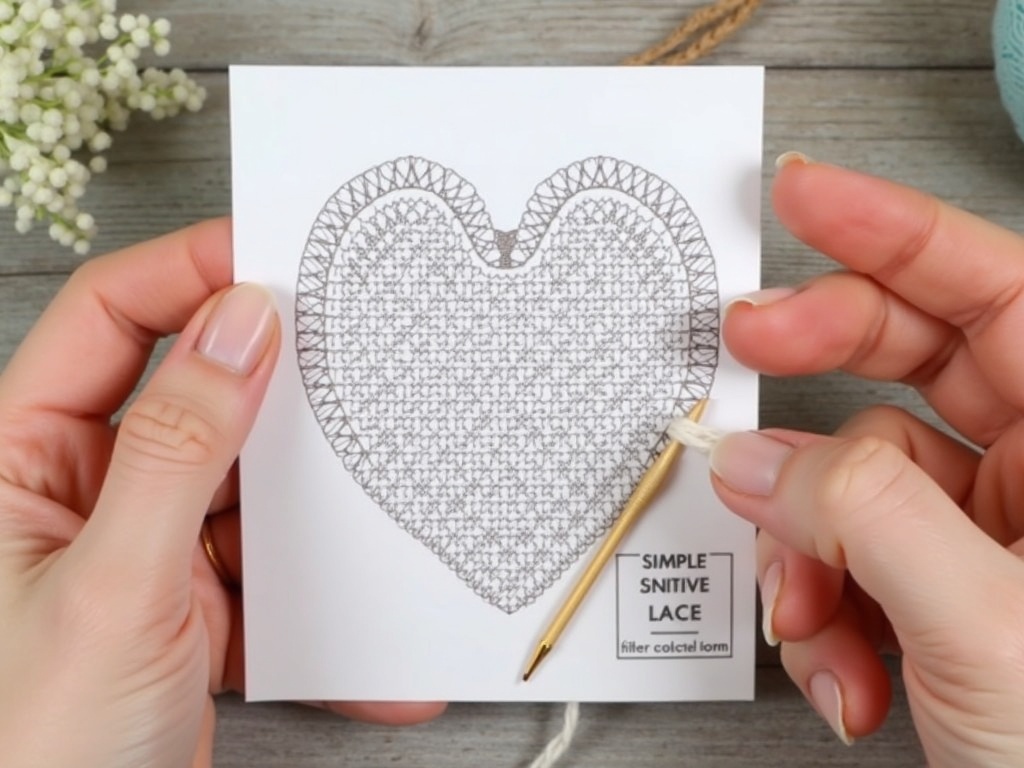
Filet crochet charts are composed of a grid where each square represents a combination of stitches. Traditionally, open squares create lace, while filled squares form solid blocks. This binary system is remarkably intuitive once you grasp the basic stitch equivalents. You don’t need to follow complex written instructions, as the chart provides a direct visual map for your work.
This makes it an accessible technique for visual learners and those new to chart reading.
Essential Tools for Getting Started
You’ll need just a few key supplies to begin your journey with filet crochet charts. A smooth, light-colored yarn and a corresponding crochet hook are fundamental for clear stitch definition. A printed copy of your chosen chart and a way to mark your progress, like a highlighter or row counter, are incredibly helpful. Keeping your tools organized in a dedicated project bag turns this craft into a serene weekend ritual.
You can explore our guide on essential crochet tools for beginners to build your perfect kit.
How to Read Filet Crochet Charts with Confidence
Begin by identifying the foundation chain count, usually indicated on the chart. Each row of the chart is worked from right to left for right-side rows and left to right for wrong-side rows, creating the depicted image. The key is to translate each grid square into either a ‘mesh’ (chain spaces) or a ‘block’ (solid double crochets). With practice, following filet crochet charts becomes a rhythmic and almost meditative process.
Repetition is your best teacher for internalizing this unique language.
Choosing Your First Project
Start with a small, simple design featuring clear motifs like a heart, star, or monogram. Many classic patterns for doilies or coasters are built using straightforward filet crochet charts. This allows you to practice the technique without committing to a large, time-intensive piece. A successful first project builds the confidence needed to tackle more elaborate designs.
The simplicity of these initial filet crochet charts ensures a rewarding and frustration-free experience.
The Rich History of the Technique
The technique has a long and storied history, often associated with elegant Victorian home furnishings. It evolved from older lace-making traditions, providing a quicker method to achieve similar ornate effects. You can read about its development and cultural significance on the Wikipedia entry for Filet crochet. This historical context adds a layer of appreciation to the modern patterns we use today.
Understanding this background connects your weekend hobby to a centuries-old craft tradition.
Wrapping Up Your First Chart
To complete your inaugural project, focus on maintaining consistent tension throughout your work. Carefully weave in all your ends to ensure the lacework lies flat and looks professional. Gently block your finished piece by pinning it to shape and lightly misting it with water. This final step truly reveals the beauty of the design hidden within the filet crochet charts.
You’ll be amazed at the sophisticated lace you created with just a hook, some yarn, and a grid.
Final Thoughts
Embrace the slow, deliberate pace that working from filet crochet charts encourages. Set aside a quiet weekend morning with a cup of tea and let the rhythmic pattern of chains and doubles soothe your mind. Each completed square is a small victory, building towards a tangible and beautiful result. This craft is the perfect blend of structured planning and creative expression for your leisure time.
Start with a simple chart this weekend and discover the profound satisfaction of bringing a geometric design to life, one stitch at a time.
Explore a guide on our sister blog
Related reading: Explore more on this topic