Looking for a charming and satisfying weekend craft? A crochet frog pattern is the perfect project to add a touch of whimsy to your home or make a delightful gift. This amigurumi project combines simple stitches with adorable results, making it an ideal activity for a relaxing afternoon. It’s a wonderful way to unwind and create something uniquely joyful.
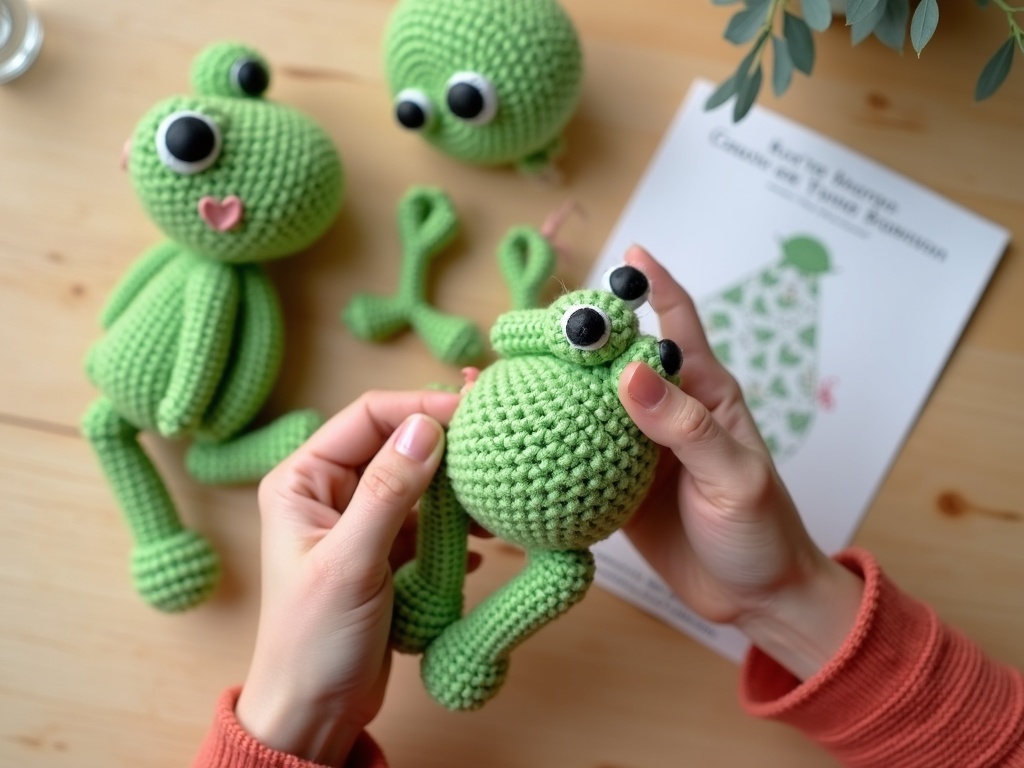
Amigurumi, the Japanese art of knitting or crocheting small stuffed creatures, has surged in popularity for good reason. These projects are portable, use minimal supplies, and offer immense creative satisfaction. Starting with a well-written crochet frog pattern sets you up for success from the very first stitch. You’ll be amazed at how a simple ball of yarn transforms into a characterful friend.
Essential Supplies for Your Frog
Before you begin, gather your materials. You will need a medium-weight (worsted) yarn in green, a small amount of black and white for the eyes, and a corresponding crochet hook. Don’t forget a yarn needle, fiberfill stuffing, and safety eyes if you prefer them over embroidered details. Having everything organized on your crafting table makes the process smooth and enjoyable, turning it into a true weekend ritual.
Choosing the right yarn color can personalize your project. While classic green is always a hit, consider mint, olive, or even a fantastical blue. The beauty of following a crochet frog pattern is that you can easily customize the final look. This flexibility allows your creation to match your home decor or the personality of the recipient perfectly.
Mastering the Basic Amigurumi Stitches
Most amigurumi patterns, including a frog, rely on a few fundamental stitches. The magic ring, single crochet, and invisible decrease are the core techniques you’ll use. If these are new to you, practice a few rounds on a scrap yarn first. The consistent tension is key to creating neat, professional-looking pieces without any gaps in the stuffing.
Working in continuous rounds is standard for creating seamless spheres and shapes. Remember to use a stitch marker to keep track of your rounds, as it’s easy to lose count. Following each step of your chosen crochet frog pattern carefully will ensure all the parts—body, head, legs—come out the correct size. Patience here makes assembly much easier later on.
Finding the Perfect Crochet Frog Pattern
For beginners, a pattern labeled ‘easy’ or ‘beginner-friendly’ is the best place to start. Many excellent free patterns are available from talented designers online. You can also explore our guide for other relaxing weekend crafts at getting started with amigurumi. A good pattern will have clear instructions, a photo tutorial, and a list of necessary skills.
It’s also valuable to understand the basic anatomy of crochet patterns from authoritative sources. For instance, the Craft Yarn Council provides standardized crochet abbreviations and terms that are used in most patterns. Understanding these universal terms will help you tackle any crochet frog pattern or future amigurumi project with confidence.
Assembly and Finishing Touches
Once all the pieces are crocheted and stuffed, the magic happens during assembly. Use your yarn needle and the long tails left from crocheting to sew the legs and arms securely to the body. Positioning is crucial for giving your frog its characteristic playful pose. Take your time to pin the parts in place before you start sewing to get the look just right.
Finally, embroider the smile and attach the eyes. These small details inject immense personality into your creation. You can make a whole family of frogs by slightly altering the pattern for each one. This final stage of personalizing your work is where the simple crochet frog pattern becomes a unique handmade treasure.
Wrapping Up
Completing your first amigurumi frog is an accomplishment that blends creativity with mindfulness. This project is more than just a cute decoration; it’s a testament to a weekend spent in productive, joyful leisure. Display your new friend on a shelf, use it as a pincushion, or gift it to spark joy in someone else’s day. Now that you’ve mastered this pattern, a whole world of amigurumi awaits your hook.
Explore a guide on our sister blog
Related reading: Explore more on this topic