For many, the weekend is a sanctuary for creative pursuits, and learning to crochet offers a uniquely satisfying blend of art and craft. Filet crochet, in particular, is a timeless technique that transforms simple stitches into delicate, graphic lace. This method is perfect for those seeking a project that feels both meditative and artistically rewarding. It’s an ideal way to spend a Saturday afternoon, creating something beautiful with your own hands.
What is Filet Crochet?
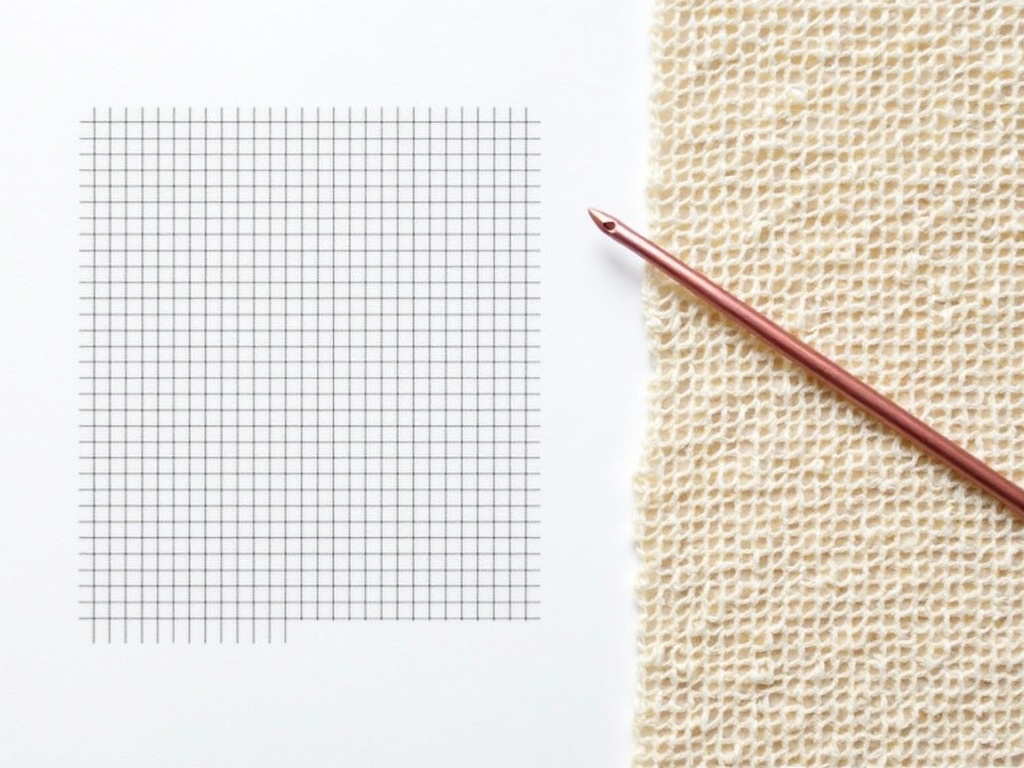
Filet crochet is a specific style built on a grid of open and filled mesh squares. Traditionally, it was used to create intricate pictorial designs and monograms on household linens. The beauty of this technique lies in its simplicity; it primarily uses just chain stitches and double crochets. By following a chart, you can create stunning lace patterns that look far more complex than they actually are to execute.
This makes it a fantastic next step for anyone who has mastered basic stitches. The rhythmic, repetitive nature of building the mesh grid is incredibly calming. You can watch a detailed geometric pattern or a delicate floral image emerge from your hook. It’s a form of needlework that feels like drawing with yarn, offering a clear visual payoff as you work.
Your Essential Filet Crochet Toolkit
You don’t need specialized tools to begin your filet adventure. A light-colored, smooth cotton or acrylic yarn in a light worsted weight is perfect for showing off the lace pattern. You’ll need a crochet hook size appropriate for your yarn, typically one size smaller than recommended to keep the mesh tight and defined. The most crucial tool is a printed pattern chart, which acts as your visual blueprint for the design.
Beyond the basics, a row counter and stitch markers can be invaluable for keeping your place in larger projects. A good pair of sharp scissors for clean cuts and a tapestry needle for weaving in ends will complete your setup. With these simple supplies, you’re ready to tackle your first filet piece and discover a new dimension of this craft.
A Perfect Weekend Project: A Classic Filet Coaster
Starting with a small project is the best way to learn any new technique. A set of filet crochet coasters is an ideal weekend endeavor. Choose a simple chart, perhaps a heart, a star, or a single initial. Begin by chaining the required number of stitches to establish your first row of mesh blocks. Remember, in this technique, each ‘block’ typically consists of a specific sequence of stitches over a set number of chain spaces.
Work row by row, following your chart from bottom to top. The repetitive motion is perfect for a lazy Sunday morning with a cup of coffee. You’ll quickly get into a flow state, and before you know it, you’ll have a finished, elegant coaster. This small success builds the confidence to move on to larger items like table runners, curtains, or even lightweight summer shawls. For more inspiration on integrating crafts into your home, explore our guide on creating a mindful crafting nook.
The History and Versatility of the Craft
The technique has a rich history, with roots tracing back to 16th-century European lace-making traditions. It evolved into the accessible form we know today in the 19th century, often featured in popular women’s magazines. This history connects modern crafters to a long lineage of textile artists. You can learn more about the global history of textile arts from authoritative sources like the Textile Museum’s online resources.
Today, filet crochet is wonderfully versatile. While classic designs remain popular, modern crafters use it for contemporary wall art, smartphone cases, and delicate jewelry. The grid-based system is also perfect for creating custom graphs, allowing you to craft anything from a favorite quote to a pixelated portrait. This adaptability ensures the technique remains fresh and engaging for every generation.
Wrapping Up Your First Filet Project
As you finish weaving in the last thread, take a moment to appreciate the lace-like fabric you’ve created. Blocking your finished piece is the final, transformative step; gently pin it to shape and lightly mist it with water to open up the mesh and define the pattern. This simple act elevates your work from homemade to handmade artistry.
Filet crochet proves that with a simple hook and some yarn, you can create heirloom-quality pieces. It turns a quiet weekend into a productive and deeply satisfying creative session. So, gather your supplies, find a simple chart, and let the rhythmic stitches guide you into a state of focused calm. Your journey into the detailed world of filet work starts with just one stitch.
Explore a guide on our sister blog
Related reading: Explore more on this topic