Unlocking the secrets of a crochet shawl diagram can transform your weekend crafting from frustrating to fantastically smooth. This visual guide is the key to creating beautiful, intricate wraps without getting lost in lengthy written instructions. For many, the classic written pattern can be a maze, but a well-designed crochet shawl diagram offers a clear map of every stitch and row. Learning to interpret these charts is a practical skill that elevates your home crafting and brings a deep sense of accomplishment.
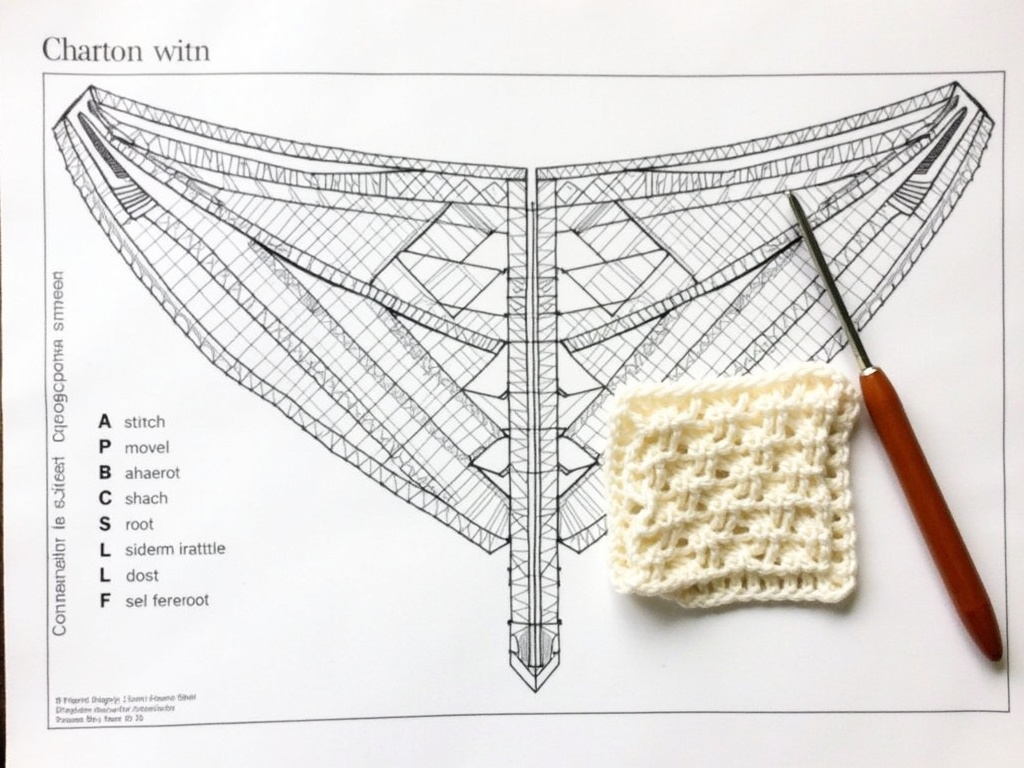
Why a Crochet Shawl Diagram Is a Game-Changer
Visual patterns, like a crochet shawl diagram, communicate complex information through symbols and colors. They allow you to see the entire shape and stitch pattern at a glance, which is incredibly helpful for planning your project. This method reduces errors and helps you visualize the final product before you even make your first chain. It’s a perfect fit for a focused weekend session where you want to see steady progress.
Decoding the Symbols on Your Diagram
Every symbol on a crochet shawl diagram represents a specific stitch, such as a chain, single crochet, or double crochet. Standardized symbols are used across many patterns, making them a universal language for crafters. You can find a comprehensive key to these symbols on authoritative resources like the Craft Yarn Council’s website. Taking time to familiarize yourself with this key is the first crucial step before you begin your project.
Your Step-by-Step Guide to Following a Chart
Start by examining the legend or key that accompanies your crochet shawl diagram to understand each symbol. Most charts are read from the bottom up, starting at the center or one edge, with right-side rows often read from right to left. Use a ruler or highlighter tape to mark your current row, which prevents losing your place. This systematic approach turns a complex-looking chart into a manageable, row-by-row weekend activity.
Common Mistakes and How to Avoid Them
A frequent error is misinterpreting a symbol, which can throw off the entire pattern’s symmetry. Always double-check the key, especially if you are using a pattern from a new designer. Another common pitfall is not counting your stitches at the end of each row as shown on the crochet shawl diagram. Consistent counting is your best defense against having to unravel hours of work, protecting your precious leisure time.
Integrating Diagrams into Your Craft Routine
Incorporating chart-based patterns into your hobby can make your crafting sessions more efficient and enjoyable. Start with a simple triangular shawl diagram to build your confidence before tackling more complex shapes. This skill not only adds to your crafting repertoire but also opens up a world of international patterns. For more inspiration on building a relaxing making routine, explore our guide on creating a cozy crafting nook.
Wrapping Up
Grab a simple pattern with a clear crochet shawl diagram and spend your next weekend mastering this visual language. The initial learning curve is well worth the freedom and precision it will bring to all your future projects. You’ll find that this skill makes crafting more intuitive and deeply satisfying, perfectly aligning with a balanced lifestyle of creativity and calm.
Explore a guide on our sister blog
Related reading: Explore more on this topic