If you’re looking for a relaxing and rewarding weekend craft, learning to read a crochet shawl diagram is your perfect gateway. This visual language can seem cryptic at first, but it unlocks a world of intricate and beautiful patterns. Mastering it turns a complex project into a manageable, meditative process. You’ll find that a well-drawn crochet shawl diagram provides clarity that written instructions alone often lack.
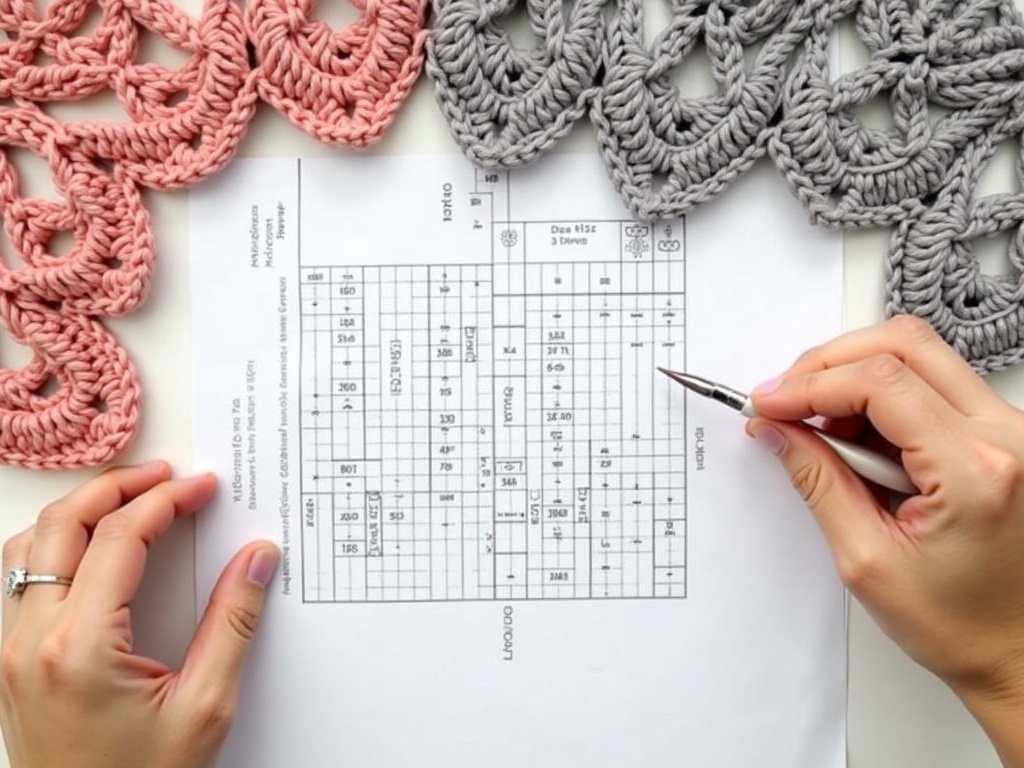
Understanding the symbols is the first crucial step. Each symbol on a chart represents a specific crochet stitch, like a circle for a chain or a ‘T’ for a double crochet. International standards exist, making most charts readable regardless of the pattern’s original language. Familiarizing yourself with these basic symbols is like learning a new alphabet.
It’s the foundation for interpreting any crochet shawl diagram you encounter.
Decoding the Visual Language of Shawls
Start by examining the diagram’s key or legend, which decodes every symbol used. Notice the starting point, often marked with a number or arrow, and the direction of work, which is typically from the bottom up. Charts for triangular shawls usually work from the center neck point outwards. Reading row by row, following the established symbols, will slowly reveal the fabric’s shape.
Practice with a simple pattern to build confidence before tackling more complex lacework.
Why a Crochet Shawl Diagram Beats Written Instructions
For visual learners, a diagram provides an instant overview of the entire project’s structure and repeats. You can see increases, decreases, and pattern repeats at a glance, which helps in tracking your place. Mistakes are also easier to spot and fix when you can visualize the intended fabric. This makes following a detailed crochet shawl diagram less prone to error than parsing long paragraphs of abbreviations.
Many crafters find the process more intuitive and enjoyable.
You can find excellent resources for standard crochet symbols from authorities like the Craft Yarn Council. Their Standard Yarn Weight and Crochet Symbols guide is an invaluable reference for any chart you encounter. Bookmarking this resource will support all your future diagram-based projects. It ensures you’re working from a trusted, standardized source.
Your First Project: Applying the Diagram
Choose a beginner-friendly pattern that includes both written instructions and a clear crochet shawl diagram. Use the written steps to understand the pattern’s rhythm, but primarily follow the visual chart. Keep a highlighter or digital marker handy to track your completed rows on a printed chart. This simple technique prevents you from losing your place in complex lace sections.
Seeing your progress visually is incredibly satisfying and motivating.
Don’t be afraid to make notes directly on your diagram as you work. Marking a tricky repeat or jotting down a reminder can personalize the pattern for you. This active engagement deepens your understanding of how stitches build upon each other. Soon, you’ll be glancing at a crochet shawl diagram and immediately grasping the construction.
This skill opens up a vast library of patterns from designers worldwide.
For more weekend crafting inspiration, explore our guide on creating a cozy home sanctuary. Pairing a handmade shawl with a thoughtfully arranged space enhances your relaxation. It’s the perfect blend of productive hobby and personal comfort.
Wrapping Up Your New Skill
Start this weekend by printing a simple diagram and practicing the symbols with some scrap yarn. Focus on one small section until the visual translation becomes second nature. The ability to read a crochet shawl diagram is a powerful tool that fosters independence and creativity in your crafting journey. Dedicate a few quiet hours to this skill, and you’ll unlock countless beautiful projects for seasons to come.
Explore a guide on our sister blog
Related reading: Explore more on this topic